Non-candy advent calendar ideas for kids (2026)
We may earn a commission from links on this page, at no extra cost to you. As an Amazon Associate we earn from qualifying purchases. How this works
Our quick picks
| Pick | Best for | Where to buy |
|---|---|---|
| Reusable fill-your-own advent calendar | Best for using year after year | Amazon.caAmazon.com |
| Building brick advent calendar | Best for kids who love to build | Amazon.caAmazon.com |
| Christmas picture books | Best for bedtime reading | Amazon.caAmazon.com |
| Sticker and craft supplies | Best for creative kids | Amazon.caAmazon.com |
| Jigsaw puzzle advent calendar | Best for a family project | Amazon.caAmazon.com |
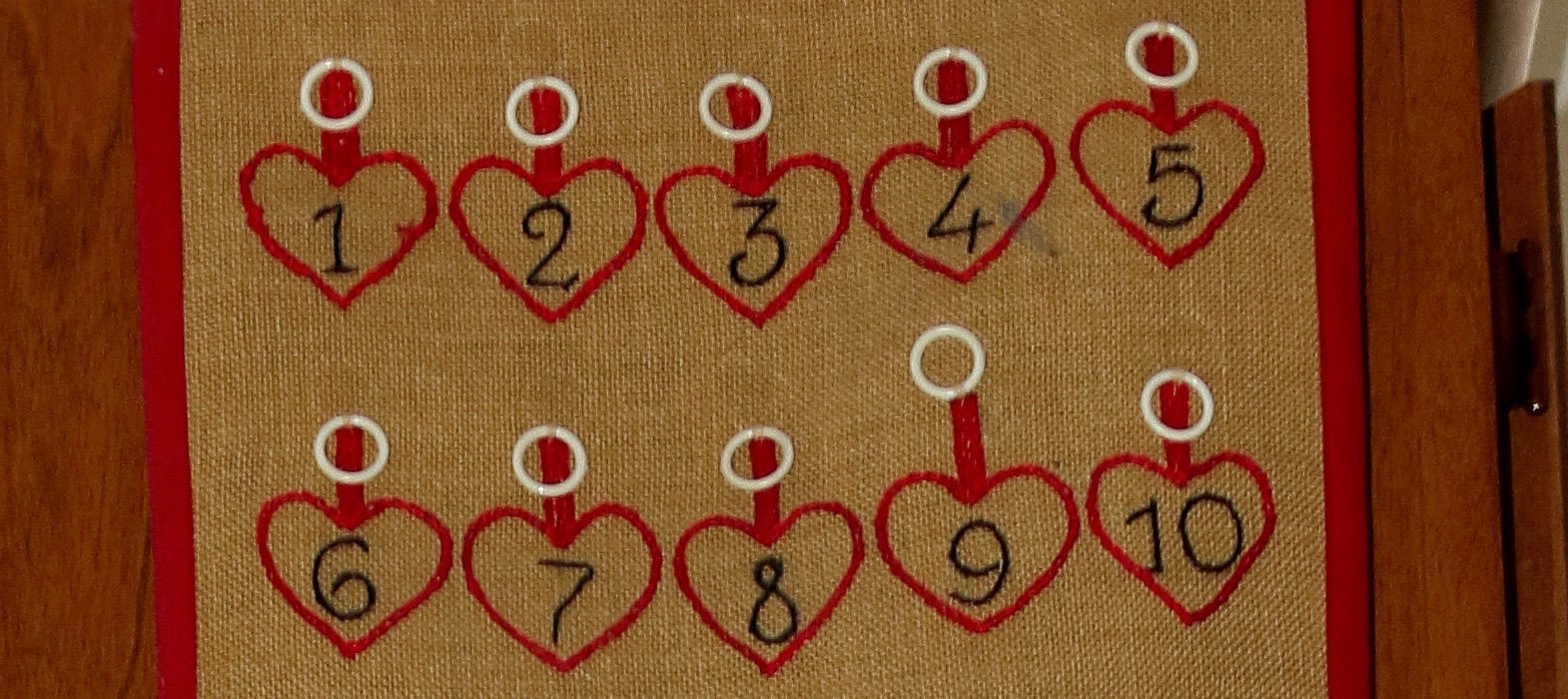
1. Reusable fill-your-own advent calendarBest for using year after year
- What we like
- You choose what goes in each day, so it can hold stickers, notes, activity cards or a small treat now and then. Fabric pocket, wooden drawer and hanging-bag styles all come out again next December.
- Watch out for
- Check pocket or drawer size before you plan the fillers; some are only big enough for a folded note. Small drawers and their contents can be a problem for toddlers in the house.
This is the most flexible option. Fill it with a mix of the ideas below, and you can balance treats and non-treats however you like.
2. Building brick advent calendarBest for kids who love to build
- What we like
- A small build behind each door, and the pieces usually add up to a scene or set kids can keep playing with after Christmas.
- Watch out for
- Full of small parts. Health Canada advises keeping toys with small parts away from children under 3, and the CPSC says the same, so follow the age label and think about younger siblings.
A popular ready-made choice for school-age kids. Set up a tray or box for the daily builds so pieces don't end up on the floor.
3. Christmas picture booksBest for bedtime reading
- What we like
- Wrap a book for some or all of the days and read it together at bedtime. No small parts, batteries or sugar.
- Watch out for
- Buying 24 new books adds up fast. Mix in books you already own, library books or a few borrowed from friends, wrapped in newspaper.
A book advent turns the countdown into a daily reading habit. Board books suit babies and toddlers better than paper pages.
4. Sticker and craft suppliesBest for creative kids
- What we like
- Sticker sheets, a few crayons or a small craft project fit flat into pockets and envelopes, and they're easy to spread across 24 days.
- Watch out for
- The AAP lists pen and marker caps among choking hazards for young children, so choose chunky crayons for toddlers. Skip loose beads and sequins for kids under 3.
Cheap, light and easy to divide up. Pair them with a daily drawing prompt or a holiday card to make for a grandparent.
5. Jigsaw puzzle advent calendarBest for a family project
- What we like
- Each day opens a small bag of pieces, so the picture comes together slowly through December. Something the whole family can sit down to.
- Watch out for
- Puzzle pieces are small parts, so keep them away from children under 3. Check the piece count and age range so it isn't too hard or too easy.
A calm, screen-free daily ritual for older kids. Leave the puzzle out on a board or a spare table so you can add to it each day.
A chocolate behind every door is the classic advent calendar, but it isn’t the only kind. Kids already meet a lot of sweets in December, from class parties to holiday baking, so many families like a countdown that leans on small gifts, activities and time together instead. This guide collects non-candy advent calendar ideas that are easy to find in both the US and Canada, with safety notes for each.
How we chose
These are general ideas, not specific brands, and we didn’t test them ourselves. We picked them because they:
- Are easy to buy in stores and online in both countries, or easy to make at home.
- Work for kids with food allergies, diabetes or dietary rules, since most of them aren’t food.
- Fit a 24-day countdown without needing 24 expensive gifts.
- Come with an honest safety note, because small things and young children don’t mix.
Always check the age grading and warnings on the package you buy. For more gift ideas in the same spirit, see our non-candy stocking stuffers.
Why skip the daily chocolate
The American Academy of Pediatrics recommends that children 2 and older have less than 25 grams (about 6 teaspoons) of added sugar a day, and that children under 2 avoid foods and drinks with added sugar (HealthyChildren.org). One small chocolate a day won’t use all of that, but in December it often comes on top of cookies, hot chocolate and treats from school and relatives. Our guide on how much sugar kids should have explains the numbers in more detail.
This doesn’t have to be all or nothing. A fill-your-own calendar with a treat on a few days and something else on the rest is a middle path many families like.
Filler ideas by age
Under 3: Keep everything big. Board books, a bath toy labelled for this age, mittens, a new cup, or a note that says “dance party in the kitchen”. Health Canada’s simple check: if a toy or part fits inside a toilet paper roll, it’s too small for children under 3 (Health Canada).
Ages 3 to 6: Sticker sheets, chunky crayons, a colouring page, a hair clip or a small picture book. Activity notes work well at this age too.
Ages 7 and up: Card games, a puzzle bag, a small craft kit, a chapter book, a new pencil, a jump rope or a headlamp for winter evenings.
Activity advent: one thing to do each day
Not every day needs an object. A folded note with a small plan can be just as exciting, costs nothing and fits in the smallest pocket. Some ideas:
- Make a holiday card for a grandparent, neighbour or teacher.
- Bake something together. Our less-sugar shortbread and graham cracker gingerbread house are good December projects.
- Make a jar of less-sugar hot chocolate mix and drink a mug together.
- Go for a walk to look at holiday lights.
- Watch a holiday movie with homemade popcorn (for kids old enough to eat popcorn safely; see the safety section below).
- Read a holiday book in a blanket fort.
- Pick a toy to give away to make space for new ones.
- Have a family games night.
Write the activities on slips of paper so you can swap days around when the weather or schedule changes.
A reverse advent calendar
Some families flip the idea: instead of opening something each day, kids add something to a box. Pick one item a day, such as a can of soup, a box of pasta or a jar of peanut-free spread, and drop the full box at a food bank before the holidays. It’s a simple way to show kids that not every family has enough at this time of year.
Every food bank sets its own rules about what it accepts and when, so call ahead. Our food bank finder covers the US and Canada. For help choosing what goes in the box, see our guide to healthier food bank donations.
Safety first: small parts, magnets and batteries
Advent calendars are full of small things, and they often hang at kid height for a whole month. That matters even if the calendar is for an older child, because younger siblings will find it too.
- Small parts. Health Canada advises not giving toys with small parts or accessories, such as loose puzzle pieces, buttons or beads, to children under 3, and to think about other children who may be in the home, not just the one you’re buying for (Health Canada). The US Consumer Product Safety Commission also says to keep balls and toys with small parts away from children younger than 3, and to follow the age guidance on the package (CPSC).
- Balloons. The CPSC says to keep deflated balloons away from children younger than 8, and the AAP lists balloons as a choking risk up to age 8 (HealthyChildren.org). Leave them out.
- Magnets. Health Canada warns that swallowing small, powerful magnets can cause severe injuries, that it is especially dangerous if more than one is swallowed, and that children under 10 are most at risk. It advises immediate medical attention if a magnet may have been swallowed, even without symptoms (Health Canada). Skip tiny magnet toys as fillers.
- Button batteries. Health Canada says a swallowed button battery can cause severe internal chemical burns in as little as 2 hours, and that even used batteries are dangerous. It advises choosing toys and devices with battery compartments that screw shut, or ones that don’t use button batteries. If you think your child has swallowed one, go to the nearest emergency department immediately (Health Canada). Watch for them in light-up trinkets and mini gadgets.
- Food fillers. The AAP lists hard or sticky candy, gum, nuts, popcorn and marshmallows among foods to keep from children until about age 4 (HealthyChildren.org). If anyone in your home has a food allergy, read every label.
If you want a few edible days
Treats can still have a place. A few lower-sugar options:
- Homemade treats. A piece of strawberry fruit leather or a date and oat energy ball wrapped in parchment makes a good surprise on a weekend day. Keep homemade food in the fridge rather than in a calendar pocket for days.
- A small piece of good chocolate a couple of times a week, instead of every day.
- A clementine on the windowsill. For toddlers, remember the AAP lists raw fruit chunks as a choking risk for children under 4, so prepare fruit carefully.
Tips for a calendar that still feels special
- Plan all 24 days at once. Write a list before you shop, so you don’t end up buying filler you don’t need.
- Save the bigger items for weekends, when there’s time to play with them.
- Mix the types. A sticker one day, an activity the next and a book on Sunday keeps it interesting.
- Wrap or fold everything, even a note. The opening is half the fun.
- Keep it out of reach of toddlers if it holds anything small.
More ideas are in parties and gifts, and for December class parties, see our nut-free holiday treats for school.
Sources
- American Academy of Pediatrics, HealthyChildren.org: How to reduce added sugar in your child’s diet
- American Academy of Pediatrics, HealthyChildren.org: Choking prevention
- Health Canada: Toy safety tips
- Health Canada: Magnet safety
- Health Canada: Button batteries fact sheet (PDF)
- US Consumer Product Safety Commission: Holiday safety