
3-ingredient shortbread with less sugar
We may earn a commission from links on this page, at no extra cost to you. As an Amazon Associate we earn from qualifying purchases. How this works
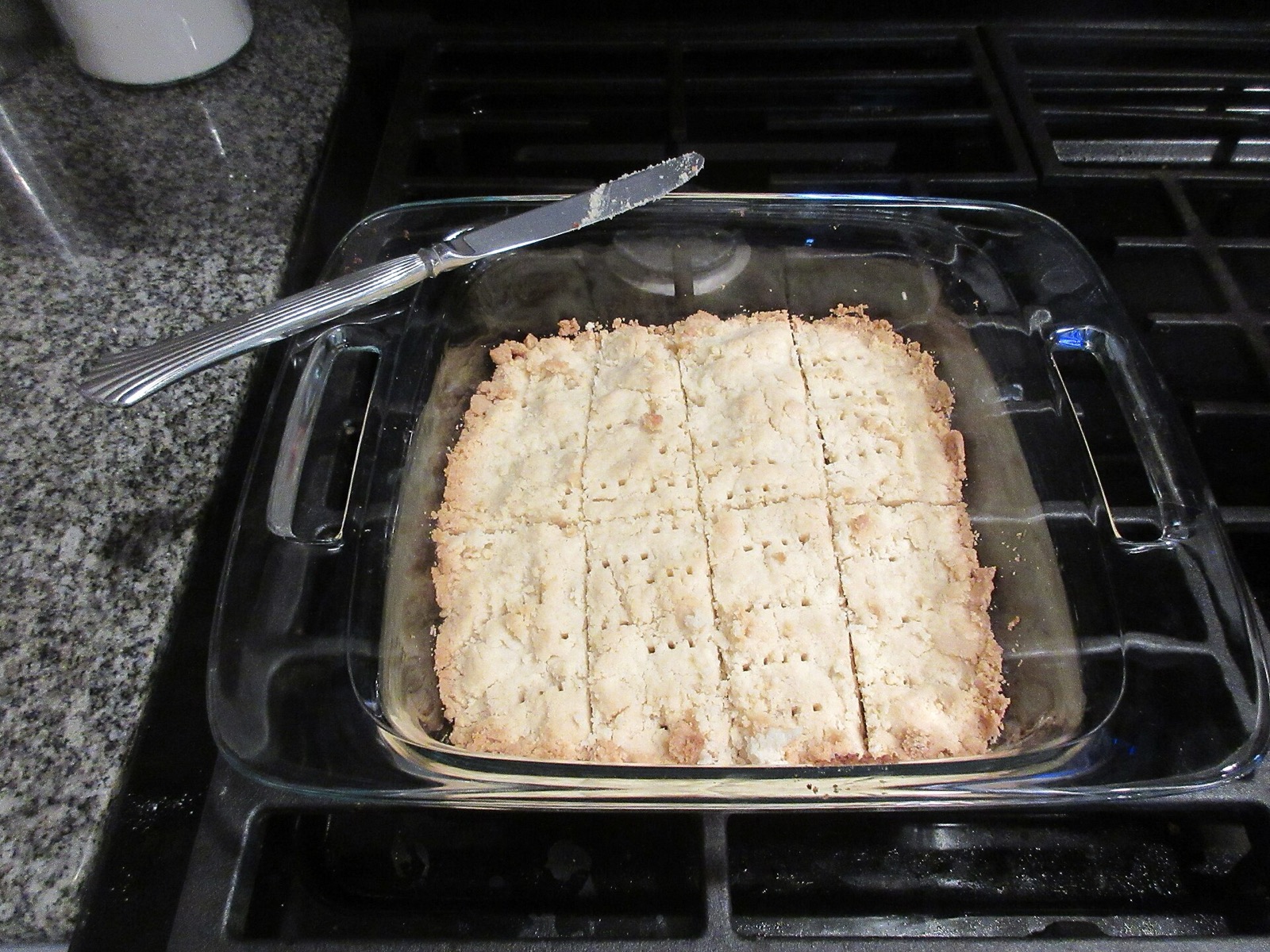
- Makes
- 16 pieces (one 8-inch / 20 cm square pan)
- Prep
- 15 min
- Cook
- 30 to 40 min
- Total
- About 1 hr 15 min (including cooling)
Ingredients
- 1 cup (227 g, 2 sticks) unsalted butter, softened
- 1/3 cup granulated sugar
- 2 cups (250 g) all-purpose flour
- 1 pinch fine salt (optional)
- 1 tsp vanilla extract, cinnamon or orange zest (optional) Amazon.caAmazon.com
You'll need
- 8-inch (20 cm) square baking pan Amazon.caAmazon.com
- Parchment paper Amazon.caAmazon.com
- Mixing bowl and a wooden spoon or hand mixer
- Small holiday cookie cutters (optional) Amazon.caAmazon.com
Shortbread is one of the easiest holiday cookies there is. It needs no eggs, no baking powder and no rolling pin, just butter, flour and sugar pressed into a pan. Because sugar isn’t what holds shortbread together, you can use less of it than many recipes call for and still get a crisp, buttery cookie.
This version uses 1/3 cup of sugar for the whole pan. Cut into 16 pieces, that works out to about 1 teaspoon of sugar each. It’s a good first baking project for kids: they can measure, mix with their hands and prick the top with a fork.
Steps
- Heat the oven to 325°F (160°C). Line the pan with parchment paper, leaving some hanging over two sides so you can lift the shortbread out later.
- In a bowl, beat the softened butter and sugar together with a wooden spoon or hand mixer for 1 to 2 minutes, until smooth and a little paler. Mix in the salt and vanilla, cinnamon or orange zest, if using.
- Add the flour and stir until it’s mostly mixed in. The dough will look crumbly. Squeeze it together with clean hands until it holds in a soft ball.
- Press the dough evenly into the pan with your fingers or the bottom of a measuring cup. Prick the top all over with a fork.
- Bake for 30 to 40 minutes, until the edges are pale golden and the middle no longer looks shiny. Ovens vary, so start checking at 30 minutes.
- While it’s still warm, cut it into 16 squares or fingers with a knife (an adult’s job, as the pan is hot). Let it cool completely in the pan, then lift it out by the parchment and break along the cuts.
Tips
- Want holiday shapes? After pressing the dough into the pan and baking, cut shapes from the warm shortbread with small cookie cutters, then let them cool. Save the offcuts for snacking or crumbling over yogurt.
- Less sugar, same flavour. A pinch of salt, vanilla, cinnamon or a little orange zest makes the cookies taste fuller without more sugar. If you usually make shortbread with 1/2 cup of sugar, 1/3 cup is a third less.
- How the sugar adds up. 1/3 cup is 16 teaspoons, so 16 pieces have about 1 teaspoon each. Cut 24 smaller pieces and each has about two-thirds of a teaspoon.
- Dress them up a little. For a party plate, dip one end of each finger in melted dark chocolate, like our dark chocolate fruit bark. This adds some sugar back, so a thin dip is enough.
- Storage. Keep in a sealed tin at room temperature for about a week, or freeze for longer. Shortbread also makes a nice homemade gift alongside a jar of less-sugar hot chocolate mix.
Good to know
- Still a treat. Less sugar doesn’t make shortbread a health food: it’s mostly butter and white flour. Health Canada’s dietary guidelines list desserts and bakery products among the main sources of sugars in Canadians’ diets, and recommend most sugar come from foods like fruit, vegetables and unsweetened milk instead. In the US, the CDC’s summary of the Dietary Guidelines says children younger than 11 shouldn’t have any added sugar. Our guide on how much sugar kids should have explains the guidelines in more detail.
- No tasting the dough. The FDA says flour is a raw food that can carry harmful bacteria, and advises never eating or tasting raw flour or dough, and not letting children play with raw dough. Wash hands and surfaces with soap and warm water after mixing. For which jobs suit each age, see our guide to holiday baking with kids, age by age.
- Allergies. This recipe has no eggs and no nuts in its ingredients, but it does contain wheat and milk, which are both priority food allergens in Canada. Check the labels on your flour and butter for “may contain” statements, as they can change. For dairy-free shortbread, some families use a plant-based butter block; for gluten-free, a 1:1 gluten-free baking flour. Both change the texture, so follow the package directions.
- School parties. Many classrooms don’t allow homemade food. See our guide to nut-free holiday treats for school for ideas that work with class rules.
Looking for more ideas? See all our make-it-at-home recipes.
Sources
- U.S. Food and Drug Administration: Handling flour safely: what you need to know
- Health Canada: Canada’s Dietary Guidelines, Section 2: Foods and beverages that undermine healthy eating
- Centers for Disease Control and Prevention: Added sugars
- Health Canada: Food allergies