
Homemade strawberry fruit leather with no added sugar
We may earn a commission from links on this page, at no extra cost to you. As an Amazon Associate we earn from qualifying purchases. How this works
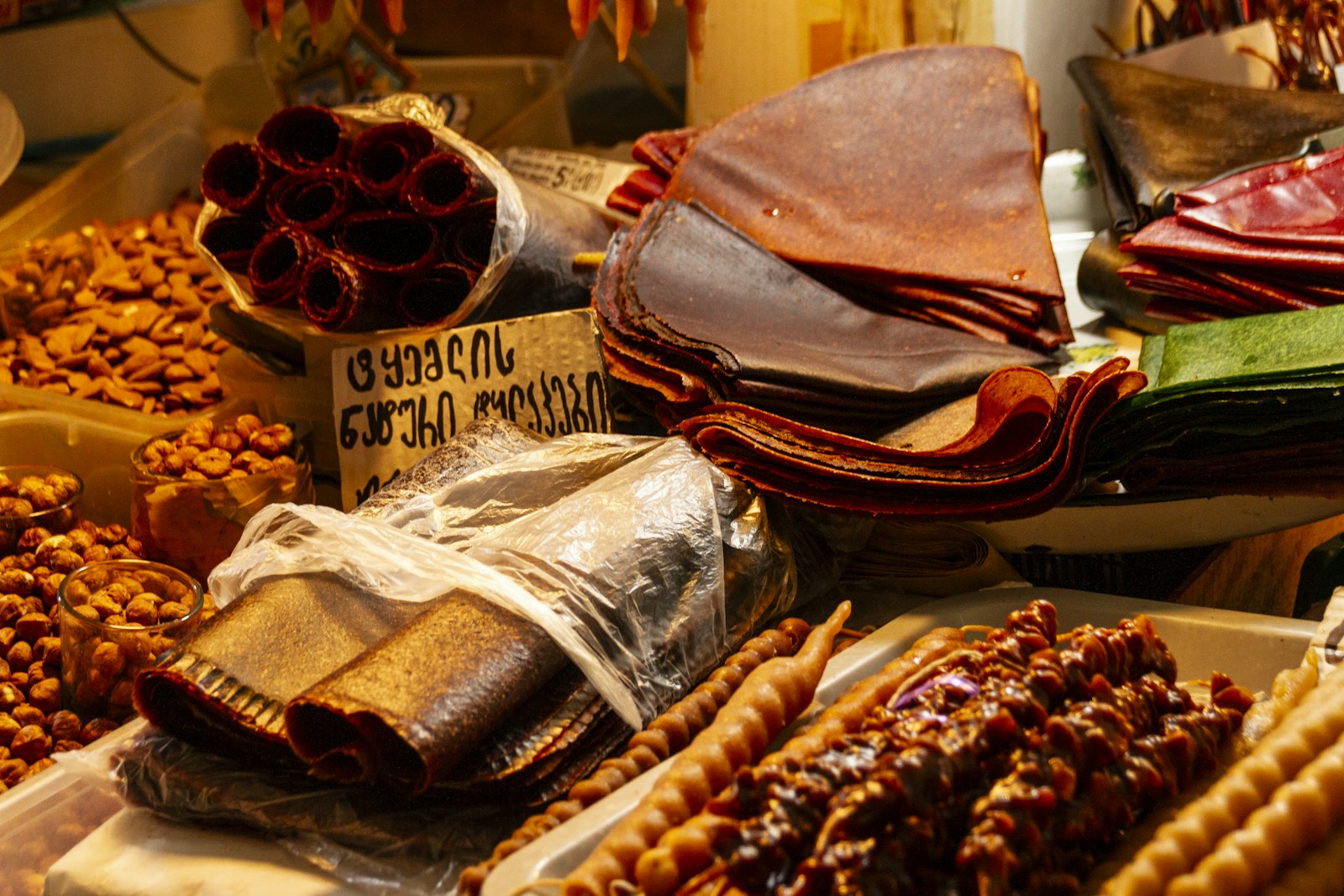
- Makes
- About 8 strips
- Prep
- 15 min
- Cook
- 4 to 8 hr (oven drying; varies by oven)
- Total
- 4 hr 15 min to 8 hr 15 min, sometimes longer
Ingredients
- 4 cups (about 600 g) fresh or thawed frozen strawberries, hulled
- 1 medium apple, peeled, cored and chopped (optional, for a smoother, more bendable leather)
- 2 tsp lemon juice
- 1 to 2 tbsp honey or maple syrup (optional) Amazon.caAmazon.com
You'll need
- Rimmed baking sheet Amazon.caAmazon.com
- Silicone baking mat or parchment paper Amazon.caAmazon.com
- Blender or food processor
- Offset spatula Amazon.caAmazon.com
Store-bought fruit snacks often list sugar or juice concentrate near the top of the ingredients. Homemade fruit leather is just fruit, dried slowly until it turns chewy. It takes patience rather than skill: most of the time is the oven doing the work.
Steps
- Heat your oven to its lowest setting. Food preservation guides recommend drying fruit leather at about 140°F (60°C), but many home ovens only go down to 170°F (75°C). That’s fine; just check it more often.
- Line a rimmed baking sheet with a silicone mat or parchment paper. Don’t use wax paper, because it can stick and melt.
- If you’re using the apple, simmer the chopped pieces with 2 tablespoons of water in a small covered pot for about 10 minutes, until soft. Let it cool a little.
- Blend the strawberries, cooked apple (if using) and lemon juice until completely smooth. Taste, and blend in honey or maple syrup only if it needs it.
- Pour the purée onto the lined sheet and spread it evenly with an offset spatula, about 1/8 inch (3 mm) thick. Keep the edges slightly thicker than the middle, because they dry faster.
- Dry in the oven. If your oven runs at 170°F, prop the door open a crack with a wooden spoon so moisture can escape and the fruit doesn’t cook. Start checking after 3 hours.
- The leather is done when the centre feels slightly tacky but no longer leaves a dent when you touch it. It should peel away from the mat in one piece.
- Let it cool, then lay it on a fresh sheet of parchment, cut it into strips with scissors or a pizza cutter, and roll each one up.
Tips
- Why add apple? Apple has natural pectin and helps the leather stay bendable instead of brittle. Unsweetened applesauce works too: use about 1/2 cup (125 ml) instead of the fresh apple.
- Ripe fruit matters. Very ripe strawberries are sweeter, so you’re less likely to want any honey or maple syrup.
- Uneven spreading is the usual problem. Thin spots go crisp and thick spots stay wet. Take your time with step 5.
- Drying time varies a lot. It depends on your oven, how thick you spread it and how juicy the fruit is. The National Center for Home Food Preservation notes that oven drying at 140°F can take up to 18 hours, so don’t worry if yours takes longer than expected.
- Storage: keep the rolls in an airtight container. Guidance from the same centre suggests about a month at room temperature, or freeze tightly wrapped rolls for longer.
Good to know
- Fruit leather is concentrated fruit, so it still has natural sugar and it’s sticky. It’s a better treat than candy, not a replacement for fresh fruit. See how much sugar kids should have.
- Don’t give honey to babies under 1 year old; it can carry the bacteria that cause infant botulism. Use maple syrup or leave it out.
- Chewy, sticky foods can be a choking risk for toddlers. Cut leather into small pieces for young children and stay with them while they eat.
More ideas: fruit juice gummies, dark chocolate fruit bark, or all our make-it-at-home recipes.