
Too much Halloween candy? What to do with the leftovers
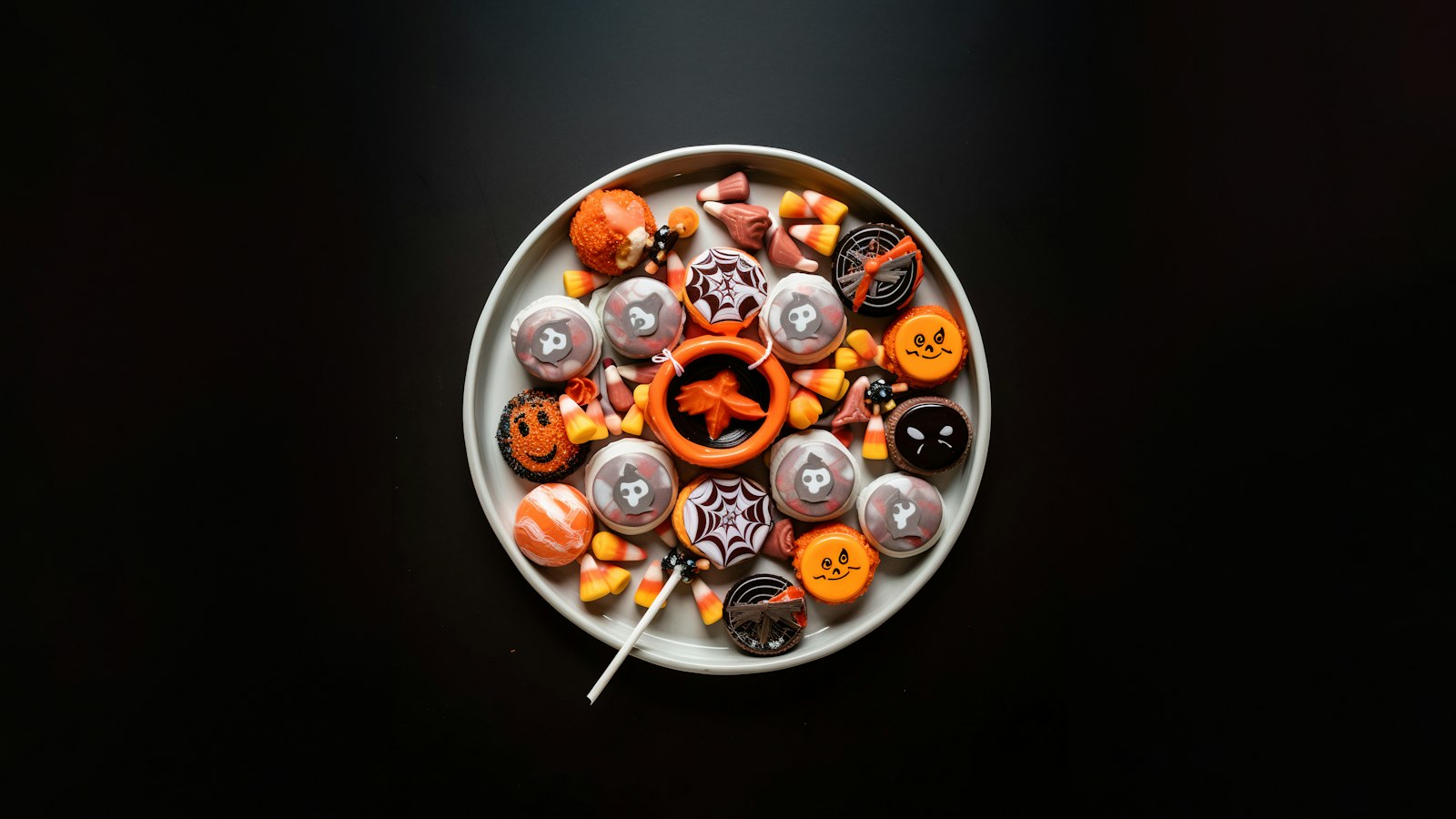
Trick-or-treating can bring home a lot of candy, often far more than any child should eat. The good news is there’s no need to choose between letting kids eat it all and throwing it away. Here are some ways to handle the haul, from a simple plan for the first few days to passing the extras on to kids who didn’t get any.
This page is CandyForKids’ home turf. Our family started collecting leftover Halloween candy for kids who had none, and our yearly candy drive still does exactly that.
Step 1: sort it together
The American Academy of Pediatrics recommends waiting until kids are home to sort and check treats, and throwing out anything spoiled, unwrapped or suspicious. Sorting is also a good moment to make a few decisions as a family.
Try three piles:
- Favourites to keep. The ones your child really loves.
- Ones they’re not excited about. These are perfect for donating or baking.
- Can’t have. Anything with allergens your family avoids, and anything not safe for younger siblings.
Letting kids choose their favourites first can make the rest easier to let go.
Step 2: make a simple portion plan
The AAP suggests rationing treats for the days and weeks after Halloween, with candy rules that are “realistic, consistent and positive.” A few approaches families use:
- A small daily amount. For example, a couple of pieces after dinner. Agree on the number together.
- Treats with meals. The American Dental Association suggests eating sweets with meals rather than snacking on them through the day. Extra saliva during a meal helps rinse away sugar and acids.
- Out of sight. Keep the stash in a cupboard or a high shelf rather than in a child’s room.
- Swap some for something else. Some families let kids trade a pile of candy for a book, an outing or a small toy.
For context on how much sugar is a lot, see our guide on how much sugar kids should have. The American Heart Association recommends children aged 2 to 18 have no more than 25 grams of added sugars a day. Check the labels on your child’s favourites to see how quickly a few pieces add up.
Step 3: watch out for little ones
If you have toddlers or babies in the house, keep the candy well out of reach. The AAP warns that hard candies, caramel apples, popcorn, gum, small candies like jellybeans, gummy candy, pumpkin seeds and anything with whole nuts can be choking hazards for babies and toddlers. Candy wrappers can be too.
Step 4: store some for later
Wrapped candy with a long shelf life keeps well. Store it in a sealed container in a cool, dry place, away from heat and sunlight so chocolate doesn’t melt.
Ideas for stored candy:
- Holiday baking in December.
- Gingerbread house decorations. Jelly candies and candy corn are a natural fit.
- Party piñatas or treat bags for birthday parties.
- Advent calendars. One small piece a day goes a long way.
Check best-before dates and toss anything that looks or smells off.
Step 5: bake with it
Chopped candy can go into recipes that would use chocolate chips or sprinkles anyway, so you’re not adding extra sugar on top.
- Cookies and muffins: chop chocolate bars and use them in place of chocolate chips.
- Pancake or waffle toppings: a small amount of chopped chocolate goes further than you’d expect.
- Chocolate bark: melt plain chocolate pieces, spread on a lined tray, and top with crushed candy. For a version with fruit and seeds, see our dark chocolate fruit and seed bark.
- Trail mix: a few chopped pieces mixed with cereal and dried fruit, for school-age kids. Check your school’s rules on nuts and allergens before packing it.
When you bake with candy, the result is still a treat. It’s simply a way to use it up in smaller amounts over time.
Step 6: donate it
This is the option we care most about. Wrapped candy that won’t melt can make a real difference for kids who didn’t get to trick-or-treat or whose families can’t afford treats.
Give to the CandyForKids drive
Our 2026 drive runs November 1 to 15.
- Where: Kumon Centre of Etobicoke, 666 Burnhamthorpe Rd, Etobicoke, ON M9C 2Z4. Drop off during centre hours, and please call ahead.
- What we accept: wrapped candy with a long shelf life that won’t melt, such as caramels, candy corn, jelly candies and gum.
- What we can’t take: food, chips or drinks.
Wrapped candy that fits these rules usually lasts 6 to 9 months, so it can be shared over the winter. Full details are on our candy drive page.
Give to your local food bank
Many food banks accept candy, but every food bank sets its own rules. Call before you go and ask whether they take wrapped candy that won’t melt. Use our food bank finder to find food banks near you in the US or Canada.
Other places to give
There are other candy collections in the US and Canada, including programs that send candy to military service members. See our guide on where to donate leftover Halloween candy for programs we’ve confirmed are running this year.
Step 7: try fewer sweets next year
If the haul is always too big, a few ideas for next Halloween:
- Use a smaller bag or bucket for trick-or-treating.
- Plan a shorter route with a fun activity at home afterward.
- Hand out non-candy treats at your own door, so less candy comes back into the house. See our non-candy Halloween treats.
- Make a few homemade treats your kids look forward to. Our healthy dessert swaps has ideas.
Sources
- American Academy of Pediatrics, HealthyChildren.org: Halloween safety tips
- American Dental Association, MouthHealthy: Halloween survival guide
- Vos MB, et al. Added sugars and cardiovascular disease risk in children: a scientific statement from the American Heart Association. Circulation, 2017.