
Holiday baking with kids, age by age (jobs and safety tips)
We may earn a commission from links on this page, at no extra cost to you. As an Amazon Associate we earn from qualifying purchases. How this works
Our quick picks
| Pick | Best for | Where to buy |
|---|---|---|
| Kids' nylon knife set | Best first knife for young bakers | Amazon.caAmazon.com |
| Silicone baking mat | Best for rolling and cutting out cookies | Amazon.caAmazon.com |
1. Kids' nylon knife setBest first knife for young bakers
- What we like
- Canada's Food Guide suggests children aged 4 to 6 can use a children's knife to slice soft foods such as soft fruit and cooked vegetables.
- Watch out for
- A blunt knife still needs supervision. Check the age range on the package.
A plastic or nylon knife lets younger kids help slice bananas or strawberries for decorating while the sharp knives stay with adults.
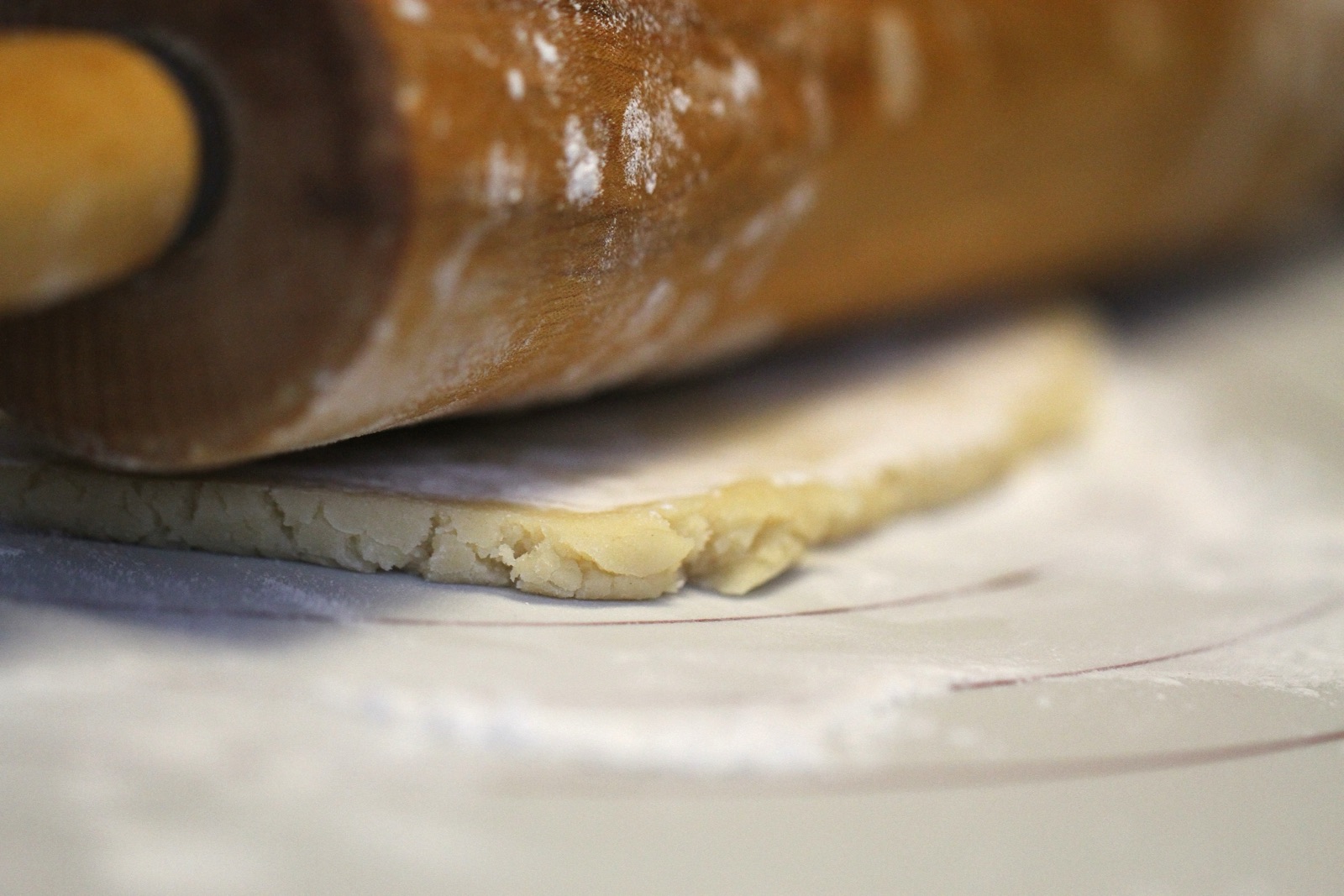
2. Silicone baking matBest for rolling and cutting out cookies
- What we like
- Gives kids a defined work area for rolling dough and cutting shapes, and wipes clean afterwards.
- Watch out for
- Mats get hot in the oven. Let them cool before kids touch them, and follow the maker's temperature limit.
A simple way to keep flour and dough in one place when several small hands are helping.
December brings a lot of baking for many families in the US and Canada, and kids often want to help. Letting them help is worth the extra mess. Canada’s Food Guide says involving kids in planning and preparing food teaches them food skills and healthy eating habits (Canada’s Food Guide).
The trick is giving each child a job they can actually do. Below are age-by-age suggestions from Canada’s Food Guide and the Academy of Nutrition and Dietetics, applied to holiday baking, plus the safety basics that matter most when there’s raw dough and a hot oven involved.
Every child is different. Treat the ages as a starting point and go by what your child can do safely.
Before you start
A little planning makes baking with kids much calmer:
- Pick a good time. KidsHealth suggests choosing a time when younger kids are well rested, and having a second adult in the kitchen if you can (KidsHealth).
- Choose a simple recipe. KidsHealth suggests starting with recipes that have fewer than five ingredients. Our 3-ingredient less-sugar shortbread and baked cinnamon apple chips fit that well.
- Set the rules first. Explain which jobs are for adults and which are for kids, and set rules such as washing hands and not touching stove knobs or knives (KidsHealth).
- Set out everything before you begin. Measuring cups, bowls and ingredients within reach mean you’re not turning your back to hunt for things.
Jobs by age
Ages 2 to 3
Toddlers can do more than you might expect, as long as an adult is right beside them. Canada’s Food Guide suggests children aged 2 to 3 can count ingredients, add ingredients to a bowl and wash vegetables and fruit (Canada’s Food Guide). The Academy of Nutrition and Dietetics adds wiping tabletops and cutting cookie shapes, and says this age needs very close adult supervision (Academy of Nutrition and Dietetics).
For holiday baking: tipping pre-measured flour or oats into the bowl, pressing cookie cutters into dough you’ve rolled out, and wiping the table afterwards.
Ages 3 to 5
Canada’s Food Guide lists gathering ingredients, mixing ingredients in a bowl, pouring from measuring cups and mashing bananas for children aged 3 to 4 (Canada’s Food Guide). The Academy of Nutrition and Dietetics suggests 3- to 5-year-olds can mix batters and crack eggs, then wash their hands afterwards (Academy of Nutrition and Dietetics).
For holiday baking: stirring muffin or cookie batter, mashing ripe bananas for banana bread, and pouring measured ingredients into the bowl. Our pumpkin oat muffins are a good one to start with. Expect some shell in the bowl when they crack eggs, and keep a spoon nearby to fish it out.
Ages 4 to 6
Canada’s Food Guide suggests this age group can set the table, stir ingredients together and use a children’s knife to slice soft foods such as soft fruits and cooked vegetables (Canada’s Food Guide).
For holiday baking: slicing bananas or strawberries with a children’s knife for decorating, arranging dried fruit on a graham cracker gingerbread house, and setting out plates for a cookie platter.
Ages 6 to 8
Canada’s Food Guide lists cracking and beating an egg, tossing foods together and using basic equipment such as a blender or can opener (Canada’s Food Guide). The Academy of Nutrition and Dietetics suggests 7- to 9-year-olds can beat eggs and peel produce (Academy of Nutrition and Dietetics).
For holiday baking: measuring dry ingredients, beating eggs, peeling apples, and reading the recipe out loud. KidsHealth suggests kids who can read call out the ingredients while an adult sets them out (KidsHealth).
Ages 8 to 12
Canada’s Food Guide says children aged 8 to 11 can use a knife to cut foods such as bread and easy-to-grip fruit, and use the microwave and stove with your help (Canada’s Food Guide). The Academy of Nutrition and Dietetics says 9- to 12-year-olds can follow recipes, bake, and microwave foods with adult supervision. Before they work on their own, it suggests checking that they can follow kitchen rules such as turning pan handles away from the edge of the counter, unplugging appliances, handling knives safely and using the oven or microwave safely (Academy of Nutrition and Dietetics).
For holiday baking: following a whole recipe with you nearby, melting chocolate in the microwave, and slicing fruit for a dark chocolate fruit bark.
Pre-teens and teens
Canada’s Food Guide suggests pre-teens and teens can follow more complex recipes and be in charge of making meals on certain days (Canada’s Food Guide). KidsHealth suggests letting teens choose a dish and make it with an adult (KidsHealth).
For holiday baking: planning and baking one recipe for a family gathering, or making a batch of gifts like less-sugar hot chocolate mix for teachers.
Safety basics
No tasting raw dough or batter
This is the hardest rule for kids, and the most important. The FDA says flour is a raw food and that turning grains into flour doesn’t kill harmful bacteria. It advises never eating or tasting uncooked flour, dough or batter, and not letting children play with raw dough, including using it for crafts or play clay. Many doughs also contain raw eggs, which may contain harmful bacteria too (FDA).
The Academy of Nutrition and Dietetics suggests having kids wait until food is cooked before tasting, keeping fingers out of mouths around raw cookie dough, and not putting used tasting spoons back into food (Academy of Nutrition and Dietetics).
A simple way to handle it: plan a “taste test” of the finished cookies, so there’s something to look forward to.
Wash hands, often
Wash hands with soap and water before and after handling food, and tie back long hair (Academy of Nutrition and Dietetics). Hands need another wash after cracking eggs. Canada’s Food Guide suggests talking about handwashing and other food safety steps while you cook together (Canada’s Food Guide).
Keep heat and sharp things in adult hands
KidsHealth says preschoolers need to learn to stay away from electric beaters, hot pans and stovetops, and older kids need reminders when they use appliances, knives or the stove (KidsHealth). The American Academy of Pediatrics suggests turning pot handles toward the back of the stove so a child can’t grab them, and knowing where your child is when you carry hot liquids (HealthyChildren.org).
In practice, for younger kids that means an adult puts trays into the oven and takes them out, and kids wait until cookies have cooled before decorating.
Think about allergies
If you’re baking for a class party or for guests, check for food allergies first. Our guide to nut-free holiday treats for school covers which allergens to ask about and how to keep baking tools clean. If you’re bringing baking to a family dinner, our guide to food allergies at holiday family gatherings explains how to label dishes and avoid cross-contact.
Make it about more than sugar
Baking together doesn’t have to mean trays of frosted cookies. Kids can learn the same skills (measuring, mixing, rolling, cutting shapes) with recipes that use less sugar or lean on fruit. For ideas, see our healthier dessert swaps, and if you have extra time this season, a family trip to drop off food at a local food bank is another good holiday tradition to start. If your child catches the baking bug, a cookbook written for kids makes a good holiday gift. Celebrating Hanukkah? Our oven-baked latkes give kids plenty of hands-on jobs without a pan of spattering oil.
This is general information, not medical advice.
Sources
- Health Canada, Canada’s Food Guide: Involve kids in planning and preparing meals
- Academy of Nutrition and Dietetics, Home Food Safety: Teaching kids to cook
- Nemours KidsHealth: Cooking with kids
- US Food and Drug Administration: Handling flour safely: what you need to know
- American Academy of Pediatrics, HealthyChildren.org: Kitchen safety: 10 tips for families with young children