Healthier food bank donations: what to give this holiday season (and how kids can help)
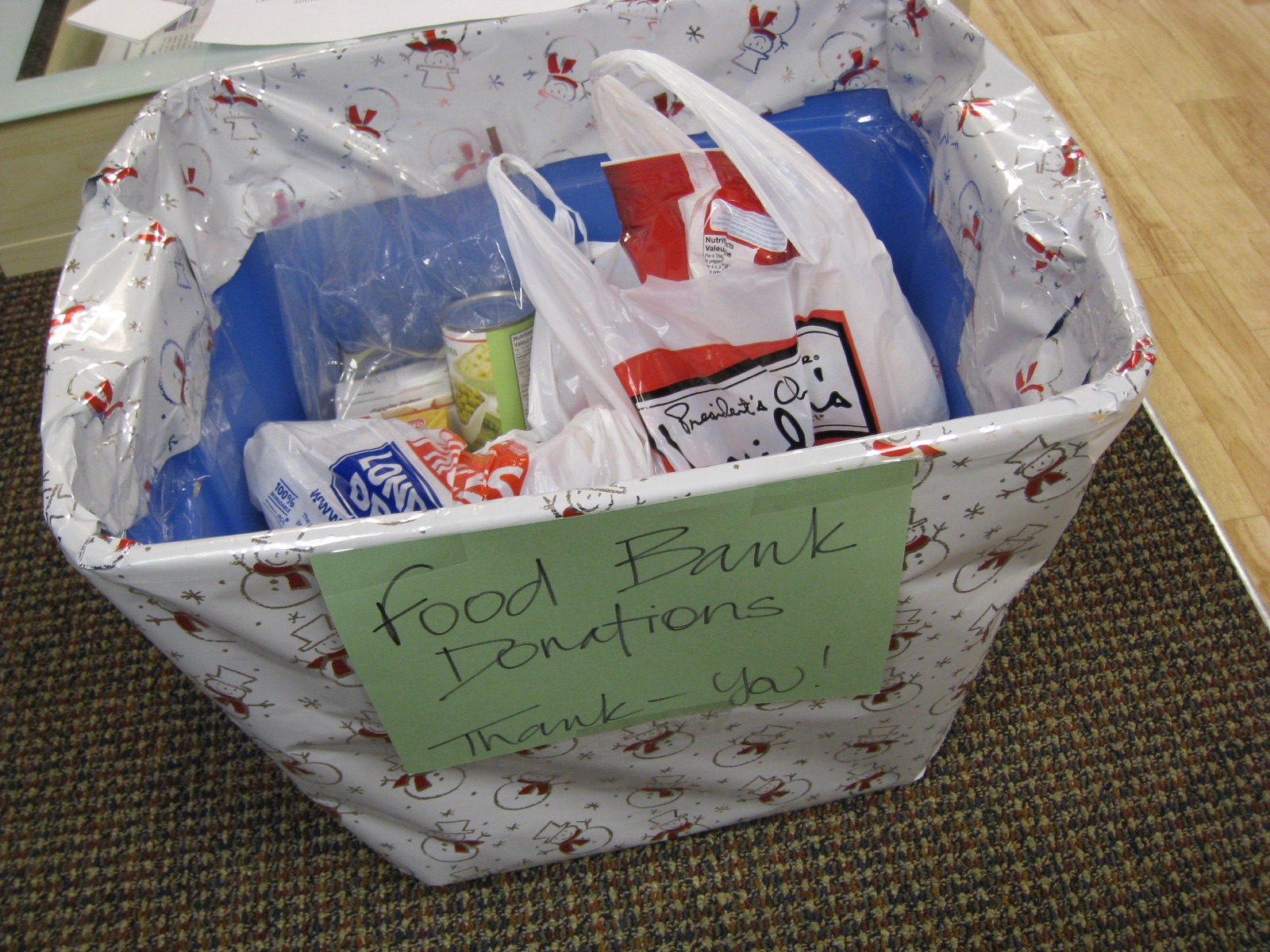
November and December are when a lot of families think about food banks. Schools, workplaces and grocery stores run holiday food drives, and kids often come home asking what they can bring. A bag of groceries is a kind and simple way to help, and with a little thought it can also be a healthy one.
This guide pulls together what food banks in Canada and the US say they need most, how to choose the healthier version of each item, and what they can’t accept. It’s general advice from food bank and extension sources, not a rule book. Every food bank sets its own rules, so check with yours first. Our food bank finder covers the US and Canada.
Start by asking your food bank
This is the one tip every source agrees on. Feeding America advises connecting with your local food bank before a drive, because food banks often have rules about what they can accept and may need certain items more at certain times of year (Feeding America). University of New Hampshire Extension says the same, and notes that some pantries only accept cash or certain items (UNH Extension).
Many food banks post a “most needed” list on their website. If yours doesn’t, a quick call or email works.
What food banks often ask for
The exact list changes from place to place, but the same kinds of food come up again and again.
In Canada:
- Food Banks Canada’s holiday list asks for whole grains (oatmeal, barley, high-fibre cereals, whole-grain pasta), lean proteins (canned tuna and chicken, peanut butter, beans and lentils), canned fruit, frozen or canned vegetables free of added salt and sugar, and shelf-stable or powdered milk and milk alternatives (Food Banks Canada).
- Daily Bread Food Bank in Toronto lists its most needed items as nut butters, oatmeal, canned fish, canned fruit, canned vegetables and canned tomatoes (Daily Bread Food Bank).
- The Food Bank of Waterloo Region’s list includes canned fruits, vegetables, meats and fish, dry beans and pasta, hot and cold cereal, rice, pasta sauce, peanut butter and individually packed snacks such as granola bars and applesauce (Food Bank of Waterloo Region).
In the US:
- Feeding America suggests peanut butter, canned soup, fruit, vegetables, stew, fish and beans, and pasta and rice, noting that whole-grain pasta and brown rice are preferred (Feeding America).
- Food Lifeline in Washington State asks for non-perishable fruits and vegetables, proteins, shelf-stable milk or milk alternatives, whole grains and nut butters (Food Lifeline).
Notice what’s on these lists: everyday staples that make a meal. Pasta, rice, oats, beans, canned fish and canned fruit are the backbone of most food bank hampers.
How to pick the healthier version
You don’t need to spend more to give something healthier. Often it’s the same item with a different label. These tips come from the food bank and health sources above.
- Canned vegetables and soup: low sodium or no salt added. Food Lifeline asks for low-sodium or water-packed canned vegetables, beans, meat and seafood. The American Heart Association suggests low- or no-sodium canned soup and vegetables (American Heart Association).
- Canned fruit: in juice, not heavy syrup. Food Lifeline asks for canned fruit in 100% juice or light syrup, and the AHA suggests fruit and applesauce with low or no added sugar.
- Grains: whole grain when you can. Brown rice, whole-wheat pasta, barley and rolled oats all show up on the lists. Food Lifeline suggests whole-grain cereal and oats with at least 3 g of fibre, and low-sugar or unsweetened cereals.
- Dried fruit: no added sugar. Food Lifeline asks for dried fruits and vegetables with no added sugar or fat.
- Protein: think canned fish, chicken, beans and lentils. These are on almost every list, and they keep for a long time.
Reading the label is the quickest way to compare two cans or two boxes of cereal. Our guide on how to read a candy label explains the Nutrition Facts table, and the same skills work in the grocery aisle.
Snacks for kids
Food banks serve families with children, and kid-friendly snacks are often welcome. UNH Extension says healthy kid snacks are always welcome, and the Food Bank of Waterloo Region lists individually packed snacks like granola bars and applesauce cups. Single-serve packs are handy for school lunches. For ideas, look for lower-sugar versions of the snacks in our healthy lunchbox snacks guide, such as unsweetened applesauce cups or plain whole-grain crackers.
If you’re choosing between a box of cookies and a box of granola bars or applesauce cups, the snack that’s also on the food bank’s list is usually the more useful gift.
A note on peanut butter
Peanut butter is on most lists because it’s a filling, shelf-stable protein. If your child is collecting for a drive at a nut-free school, though, check the school’s rules before sending it in. A sunflower seed or other seed butter may be a better fit for the class box, and you can drop peanut butter at the food bank directly. (This is our suggestion, not a food bank rule.)
What food banks usually can’t take
Feeding America’s list of things to avoid (Feeding America) matches what other food banks say:
- Homemade food, leftovers and home baking. Food banks can’t check how they were made or what’s in them. UNH Extension specifically mentions homemade jam, jelly, cookies and brownies, and home-canned food.
- Opened or damaged packages. No opened boxes, and no dented, bulging or leaking cans. Feeding America suggests a simple test: would you buy it new in this condition?
- Glass jars. Feeding America and Food Lifeline both suggest avoiding glass, because it can break. Look for plastic jars or cans instead.
- Expired food. Feeding America says to donate only food whose date hasn’t passed, and UNH Extension advises choosing items with a long shelf life. The Food Bank of Waterloo Region won’t take food past its expiry date but notes it can accept many items past their best-before date, so rules differ.
- Perishables, unless you’ve checked. Many food banks don’t have space to store fresh produce, dairy or meat. Ask first.
- Bulk packages. UNH Extension notes that bulk items aren’t useful at food pantries because they can’t be split up. Regular grocery-store sizes are best.
The same goes for leftover Halloween candy: some food banks take it and some can’t use it, so call ahead. Our guide on where to donate leftover Halloween candy explains more, and our own candy drive runs until November 15.
Food, or money?
Many food banks say money goes further than groceries. Food Banks Canada calls a money donation “by far the best donation” you can make, because it lets food banks buy fresh food or restock what they’re short on. UNH Extension notes that pantries can buy food in quantity at lower prices, and the American Heart Association mentions that cash lets food banks buy needed items in bulk.
That doesn’t make a food donation less useful. A food drive gives kids something to see, carry and choose, and many food banks run both. If you can, a mix of the two is a good plan.
Ask what your community eats
Holiday staples aren’t the same for every family. The American Heart Association suggests asking your food bank which foods its community knows and wants, so donations are more culturally relevant. If your food bank has a most-needed list, it will often tell you.
How kids can help
Food drives are a natural way to show kids that not every family has enough, especially at this time of year. Here are a few ideas that keep it simple:
- Shop from the list together. Print your food bank’s most-needed list and let your child find each item in the store.
- Compare two labels. Hold up two cans of soup or two boxes of cereal and ask which has less sodium or less sugar. It’s a quick nutrition lesson with a real purpose.
- Make a reverse advent calendar. Add one item to a box each day in December, then drop it off before the holidays. Our non-candy advent calendar ideas guide explains how.
- Check the dates and cans. Older kids can be the “quality checker”, looking for dents, opened packages and dates before anything goes in the box.
- Make a meal kit. Pasta, a can of tomatoes, a can of beans and a bag of oats together make breakfast and dinner. Kids can think about what a family would need for one day.
- Carry it in. Younger kids love being the one to hand the bag over. Heavy cans add up, so pack a few small bags instead of one big one.
Our food bank finder shows food banks near you in both countries. For more ways to give this season, see our kid-made teacher gifts guide.
Sources
- Food Banks Canada: Donate these most-needed items at a holiday food drive near you (2021)
- Daily Bread Food Bank: Frequently asked questions
- Food Bank of Waterloo Region: Most needed items
- Feeding America: What to donate to a food bank and what to avoid (2020)
- Feeding America: How to start a food drive: 5 essential tips (2022)
- Food Lifeline: What should I include in my food drive?
- University of New Hampshire Extension: Tips for donating to food pantries (2025)
- American Heart Association: Stock the shelves of Washington food banks and pantries with healthy and culturally diverse options during the holiday season (2024)