Allulose vs monk fruit vs stevia: baking with sugar substitutes (US and Canada)
We may earn a commission from links on this page, at no extra cost to you. As an Amazon Associate we earn from qualifying purchases. How this works
Our quick picks
| Pick | Best for | Where to buy |
|---|---|---|
| Monk fruit sweetener for baking | Best for trying a swap in Canada and the US | Amazon.caAmazon.com |
| Stevia baking blend | Best for no-bake treats and drinks | Amazon.caAmazon.com |
1. Monk fruit sweetener for bakingBest for trying a swap in Canada and the US
- What we like
- Monk fruit extract is on Health Canada's List of Permitted Sweeteners for table-top sweeteners, and in the US the FDA has not questioned GRAS notices for monk fruit extract.
- Watch out for
- Pure extract is very concentrated, so most baking products are blends. Read the ingredient list to see what else is in the bag, such as erythritol, and follow the package's conversion directions.
A good choice if you want to try a half-sugar, half-substitute batch of cookies or muffins.
2. Stevia baking blendBest for no-bake treats and drinks
- What we like
- Purified stevia extract is approved for use in foods in Canada, and the FDA has not questioned GRAS notices for high-purity steviol glycosides.
- Watch out for
- Some people notice a bitter aftertaste. Blends contain other ingredients, so check the label and the package's measuring guide.
Easiest to use in recipes that don't need heat, such as smoothies, frozen yogurt bark or fruit sauces.
Holiday baking season is when a lot of parents start looking at the sweetener aisle. Bags labelled allulose, monk fruit and stevia promise sweetness with little or no sugar, but they don’t behave like sugar in the oven, and the rules for them aren’t the same in the US and Canada. This guide explains what each one is, what regulators say, how they change your baking, and what’s known about sugar substitutes for kids.
This is general information, not medical advice. If your child has diabetes or another health condition, follow the plan from their doctor or dietitian.
The quick comparison
| Monk fruit | Stevia | Allulose | Sugar alcohols (erythritol, xylitol and others) | |
|---|---|---|---|---|
| What it is | Extract from the monk fruit (luo han guo) | Purified sweet compounds from stevia leaves | A sugar found in small amounts in foods like raisins, dried figs and wheat | Carbohydrates with features of both sugars and alcohols |
| US status | FDA has not questioned GRAS notices for monk fruit extract | FDA has not questioned GRAS notices for high-purity steviol glycosides | Sold in the US; labels may leave it out of Total and Added Sugars | Used in many sugar-free and reduced-sugar foods |
| Canada status | On Health Canada’s List of Permitted Sweeteners (table-top sweeteners) | Purified stevia extract approved for use in various foods | Not on Health Canada’s List of Permitted Sweeteners | Several, including erythritol and xylitol, are on the permitted list |
| Watch for | Most products are blends | Aftertaste; blends | Availability in Canada | Gas, bloating or diarrhea in some people; xylitol is poisonous to dogs |
The sections below explain each row and link to the source.
Monk fruit
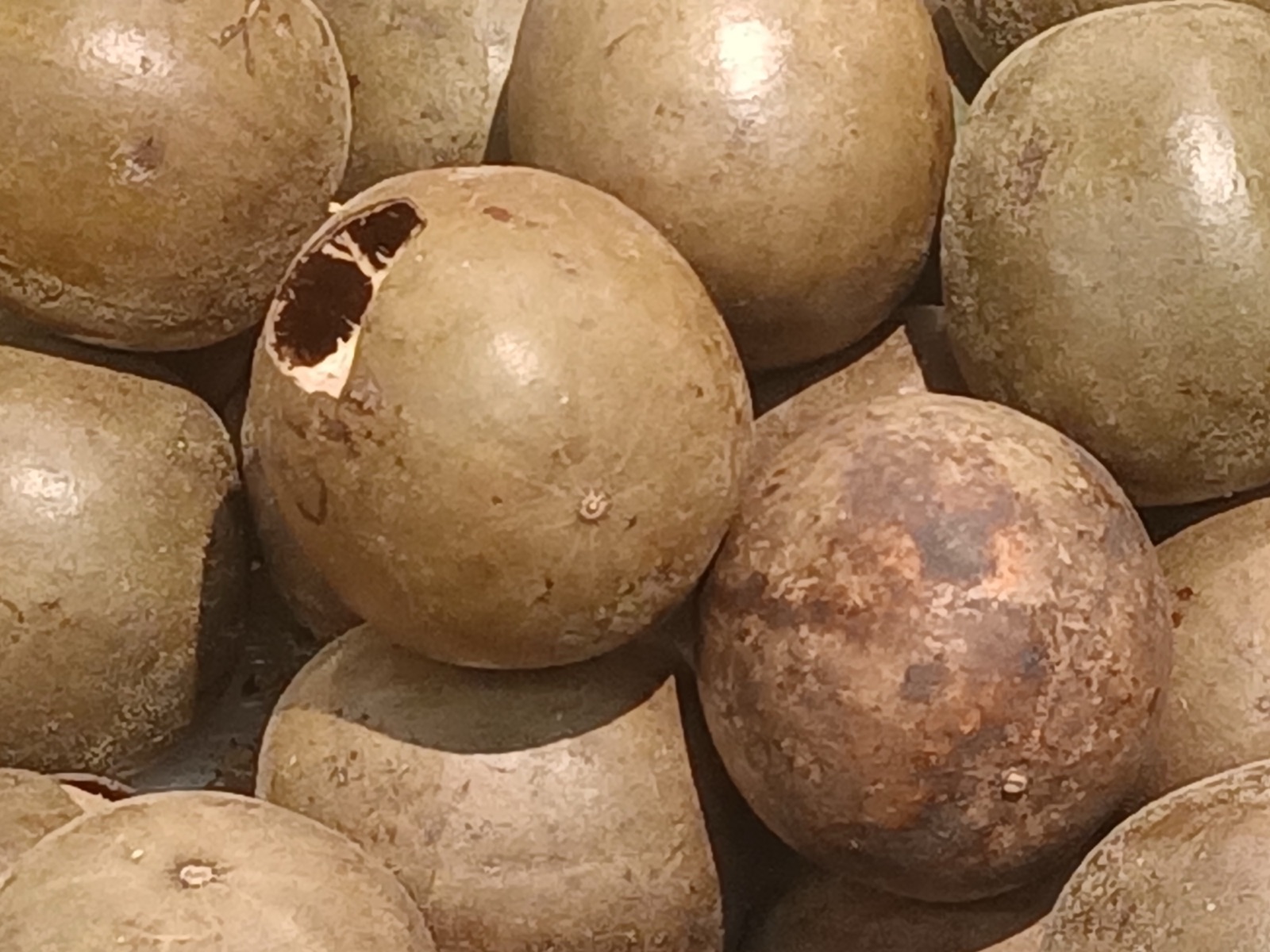
Monk fruit sweeteners are made from extracts of the Siraitia grosvenorii fruit, also known as luo han guo. In the US, the FDA has received GRAS (“generally recognized as safe”) notices for monk fruit extract and has not questioned the companies’ conclusions for the uses they described. The FDA notes that no acceptable daily intake has been specified for monk fruit (FDA).
In Canada, “monk fruit extract” is on Health Canada’s List of Permitted Sweeteners for use in table-top sweeteners (Health Canada).
Pure monk fruit extract is intensely sweet, so the bags sold for baking are usually blended with other ingredients to make them easier to measure. Check the ingredient list to see what you’re actually buying.
Stevia
Stevia sweeteners come from the leaves of the Stevia rebaudiana plant. A Kansas State University extension fact sheet lists stevia as 250 to 3,000 times sweeter than table sugar and notes its “menthol-like bitter aftertaste,” which fades as the extract gets purer (K-State Research and Extension).
The difference between purified extract and the leaf matters on both sides of the border:
- US: The FDA has not questioned GRAS notices for high-purity steviol glycosides (at least 95% pure). Whole-leaf and crude stevia extracts are not permitted as sweeteners (FDA).
- Canada: Purified stevia extract is regulated as a food additive and approved for use in various foods. Health Canada says it hasn’t been able to give a definitive opinion on the safety of retail foods with stevia leaf, because the safety data is incomplete (Health Canada).
Allulose
Allulose has a chemical structure similar to other sugars and is found in small amounts in wheat, raisins, dried figs, brown sugar and molasses. It can also be manufactured. The FDA says it isn’t metabolized by the body the same way most sugars are (FDA).
That’s why it looks unusual on a US label. Under FDA guidance, companies may leave allulose out of the Total Sugars and Added Sugars lines, but it still counts in Total Carbohydrates, and they can calculate its calories at 0.4 calories per gram (FDA). So a US product sweetened with allulose can show very little sugar on the Nutrition Facts label even though it tastes sweet.
In Canada, allulose doesn’t appear on Health Canada’s List of Permitted Sweeteners (Health Canada). If you’re baking in Canada and a recipe calls for allulose, monk fruit or stevia blends are the easier swap.
Sugar alcohols, the hidden partner
Many sugar-free baking blends and candies also contain sugar alcohols. The FDA lists erythritol, isomalt, lactitol, maltitol, mannitol, sorbitol and xylitol as examples. They’re found naturally in small amounts in fruits and vegetables, and commercially produced ones are used in sugar-free baked goods, gum, frostings and candy (FDA).
A few things worth knowing:
- They can upset tummies. Sugar alcohols aren’t completely absorbed, so they “can also produce abdominal gas, bloating, and diarrhea in some individuals.” In the US, foods with sorbitol or mannitol must carry a label warning that “excess consumption may have a laxative effect” (FDA).
- They don’t cause cavities. Unlike sugar, they don’t react with plaque bacteria in the mouth (FDA).
- Health Canada considers them safe in food. Its scientists concluded that adding sugar alcohols to foods is safe (Health Canada).
- Xylitol and dogs don’t mix. The FDA warns that xylitol can be poisonous to dogs. It’s sold for home baking and is used in cakes, muffins and pies. If your dog eats something with xylitol, call your vet, an emergency clinic or an animal poison control centre right away (FDA). If you bake with it, keep treats well out of reach.
Why sugar substitutes change your baking
Sugar does much more than sweeten. The K-State fact sheet explains that in baking, sugar helps trap air when creamed with fat, keeps cakes and cookies tender by limiting gluten, holds onto moisture and browns the surface in the oven (K-State Research and Extension). Intense sweeteners like stevia and monk fruit are used in tiny amounts, so they can’t do those jobs.
What that means in your kitchen, per the same fact sheet:
- Expect lower volume and less browning when you bake with intense sweeteners instead of sugar.
- Check the package for measuring directions. Some substitutes measure cup for cup like sugar; others are sweeter, so you need less.
- Try half and half. Replacing half the sugar with a substitute keeps some of sugar’s bulk.
- Start with no-heat recipes. Any sweetener works in recipes that don’t need heat, such as cold drinks, frozen desserts and fruit sauces.
Sugar alcohols also prevent the browning that happens during heating (FDA), so cookies made with an erythritol blend may come out paler than you expect. Each brand behaves a little differently, so follow its own baking guidance.
If you’d rather not use substitutes at all, simply using less sugar is often the easiest swap. Our less-sugar shortbread uses only 1/3 cup (80 ml) of sugar for a whole pan, and our healthy dessert swaps guide has more ideas.
What’s known about sugar substitutes for kids
In 2019, the American Academy of Pediatrics published a policy statement on nonnutritive sweeteners in children, which covers stevia and monk fruit along with sweeteners like sucralose and aspartame. Its main message is that “there’s still a lot to learn” about how they affect children’s health. Some short-term studies suggest swapping sugar for these sweeteners may limit weight gain, but the AAP says the data is limited, and research on appetite, taste preferences and gut bacteria has been inconsistent. It asked food companies to list the amount of sweetener on labels and called for more research (HealthyChildren.org). The statement doesn’t cover allulose or sugar alcohols.
In practice, that means sugar substitutes aren’t a free pass. A treat made with them is still a treat. If you’re trying to cut back on sugar, our guide to how much sugar kids should have explains the US and Canadian guidelines, and how to read a candy label shows you where sweeteners hide on the ingredient list.
A simple way to decide
- Baking in Canada: monk fruit or stevia blends are on the permitted list; allulose isn’t.
- Baking cookies or cakes that need to brown and rise: keep at least some real sugar, or try the half-and-half approach.
- Making no-bake treats like popsicles or frozen yogurt bark: any sweetener works, or skip it and let ripe fruit do the work, like in our fruit popsicles.
- Have a dog at home: check blends for xylitol.
- Read every label. Blends change, and the same brand may use a different recipe in the US and Canada.
Sources
- FDA, High-intensity sweeteners
- FDA, Guidance on declaring allulose and its calories on Nutrition and Supplement Facts labels (October 2020)
- FDA, Draft guidance on the declaration of allulose on the Nutrition Facts label (April 2019)
- FDA, Interactive Nutrition Facts Label: Sugar alcohols (PDF, October 2021)
- FDA, Paws off xylitol; it’s dangerous for dogs
- Health Canada, List of Permitted Sweeteners
- Health Canada, Sugar substitutes
- HealthyChildren.org (American Academy of Pediatrics), The use of nonnutritive sweeteners in children
- Kansas State University Research and Extension, Sugar: more than just a sweetener (PDF)